Tea Heritage · 5 min read
How Galaha and Loolecondera Gave Birth to Ceylon Tea in 1867
The quiet hill country revolution that began five miles down the road from our verandah.
Estate Historian ·
Before Ceylon was synonymous with tea, it was one of the world's most prolific coffee producers. In the 1860s, a virulent fungus known as Hemileia vastatrix (coffee leaf rust) ravaged plantations across the central highlands.
Five miles from where The Tea Bungalow stands today, at Loolecondera Estate, twenty-seven-year-old Scotsman James Taylor had already sensed a change was needed. In 1867, on Field No. 7, Taylor sowed the first commercial tea seedlings.
By 1872, Taylor had fashioned a primitive tea roller on the verandah of his bungalow, using wooden rollers turned by manual labor. Within a generation, the coffee hills of Galaha and Kandy had transformed into emerald-green seas of Camellia sinensis.
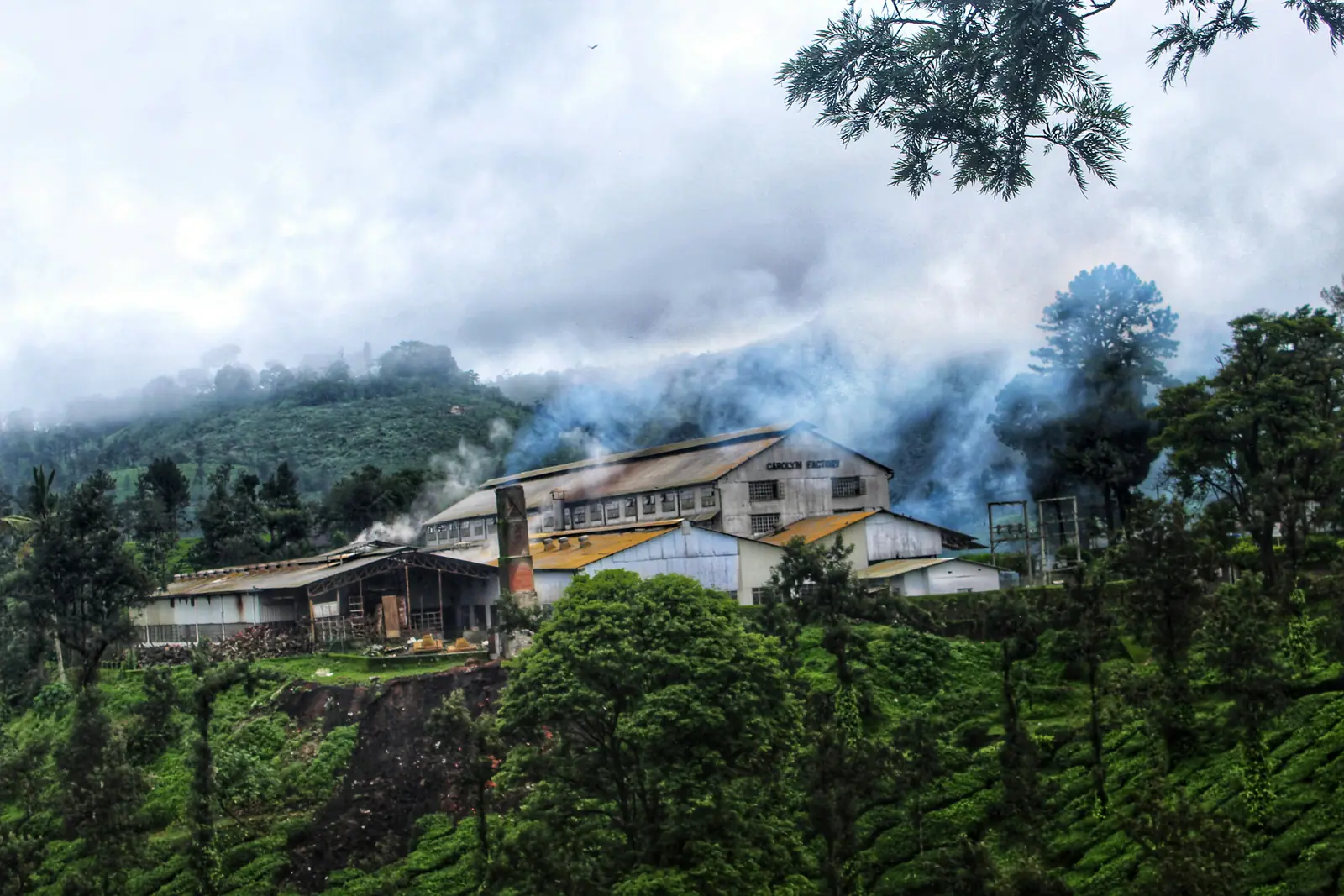
Today, when you sit on our verandah at 6:30 PM with a fresh brew, you are drinking from bushes whose lineage descends directly from those 1867 plantings. The cool mountain air, the evening mist rising from the valley, and the scent of freshly cured tea leaves remain virtually unchanged.