From leaf to cup තේ
The Ceylon cup.
Galaha lies in the Kandy region, the first of Ceylon’s tea country: mid-grown tea, from hills of roughly 650 to 1,300 metres, known for a bright, full-bodied cup. Here is how it is made, what the grades on the packet mean, and how to brew each one.
01 — How it is made
Six steps, one leaf.
- 01
Plucking
Two leaves and a bud, picked by hand across the terraces, often in the cool of the morning.
- 02
Withering
The leaf rests in troughs for many hours, losing moisture until it turns soft and supple.
- 03
Rolling
Rollers twist and bruise the leaf, opening its cells so the juices meet the air.
- 04
Oxidising
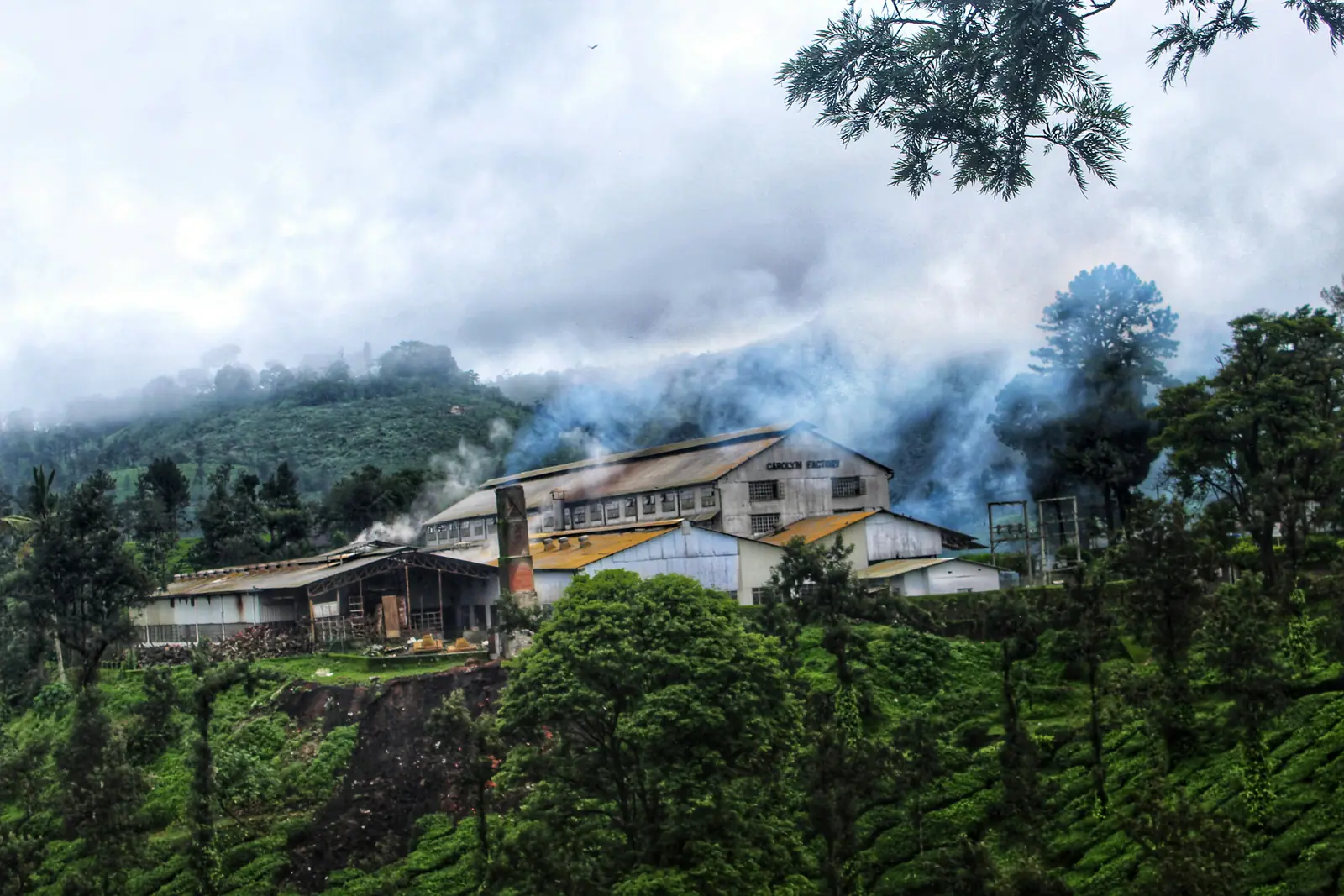
Spread out in the factory, the leaf turns from green to a coppery brown; the planter decides when it is ready.
- 05
Firing
Hot air dries the leaf and stops the change, leaving the dark, fragrant tea we know.
- 06
Sorting
Sieves divide the tea by the size of its pieces. Those sizes are the grades.
02 — The grades
Read the packet.
A grade describes the size of the leaf, not its quality. Larger leaves brew slowly into a lighter cup; smaller pieces brew fast and strong. (“Orange” says nothing about flavour.)
03 — Brew it
Your pot of BOP
2 teaspoons (about 5 g) · 500 ml freshly boiled water
3:30
04 — At the estate
Taste it where it grows.
-
Guided Tea Estate Walk
A guided hour through Galaha Estate, with the history of the tea as you go.
-
The Planter’s Afternoon Tea
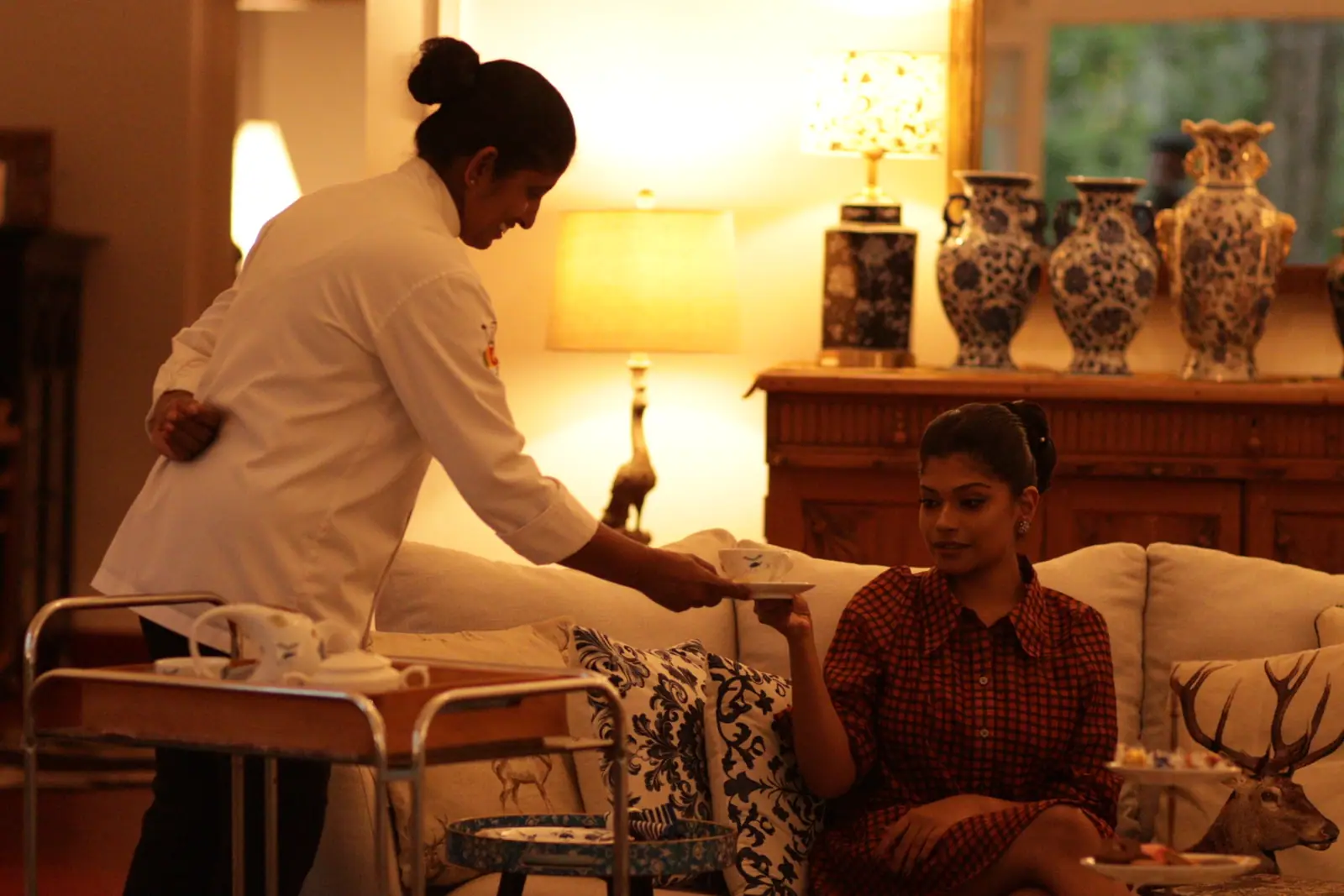
Three-tier service on the verandah: savouries, scones, sweets and a tea flight.
-
Estate tea to take home
The teas you enjoyed during your stay, packed for the journey home.
Whatever you add travels with your enquiry. How Ceylon tea began, five miles from here